
L'Eixample Neighborhood · Barcelona
The most beautiful neighborhood in Barcelona
Modernisme, Passeig de Gràcia, and the best food scene in the city. All within less than a kilometer of Casa Lolita.
The Neighborhood
L'Eixample: the city Cerdà imagined
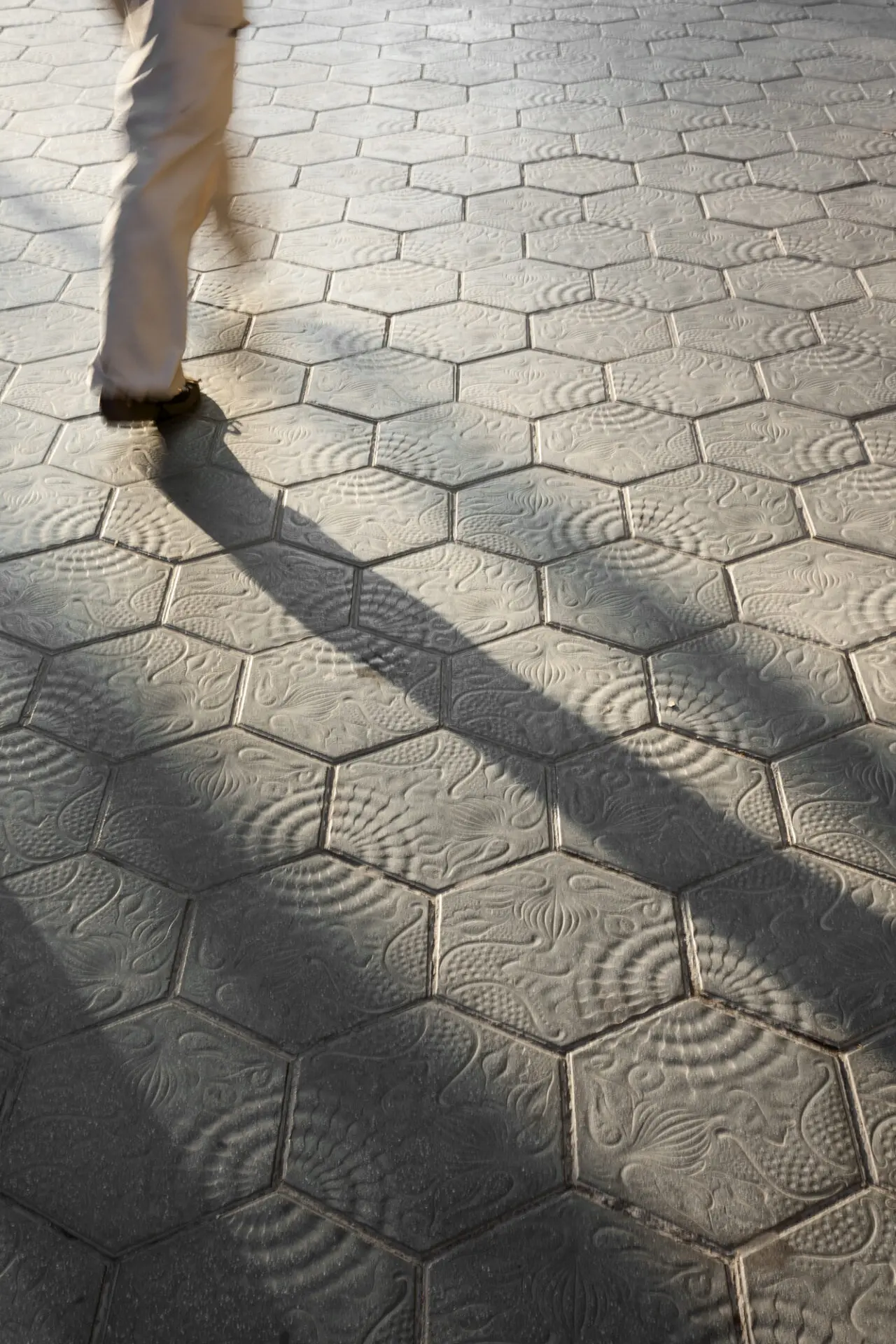
In 1859, engineer Ildefons Cerdà drew up what would become one of the most influential urban plans in history. L'Eixample — meaning "expansion" — was born as an extension of medieval Barcelona into the plain: a perfect grid of octagonal city blocks, with chamfered corners designed to improve visibility at intersections, allow natural light into the interiors, and keep traffic flowing freely.
What Cerdà couldn't have imagined is that this rationalist urban fabric would become the backdrop for Catalan Modernisme: Gaudí, Domènech i Montaner, and Puig i Cadafalch turned every block into an open-air museum. Today, L'Eixample is simultaneously a residential neighborhood, the capital of luxury retail, and Barcelona's most culturally dense destination.
Casa Lolita sits in the most refined part of the district — the side that borders Passeig de Gràcia and concentrates the finest jewels of Modernisme.






"The Block of Discord"
Along the most famous stretch of Passeig de Gràcia (numbers 35–43), three masters of Modernisme competed to outshine one another. The result is the most photographed architectural ensemble in Barcelona — and it's a short walk from Casa Lolita.
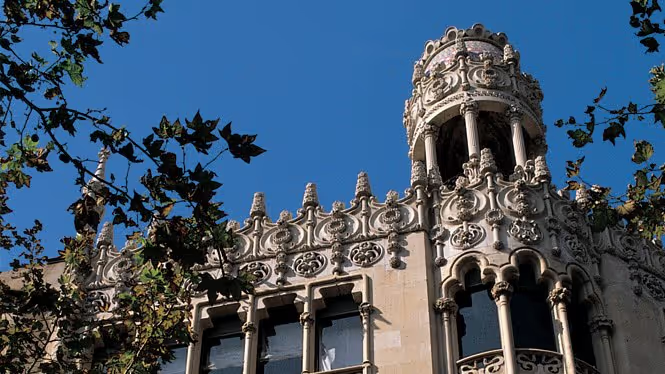
Casa Lleó Morera

Casa Amatller
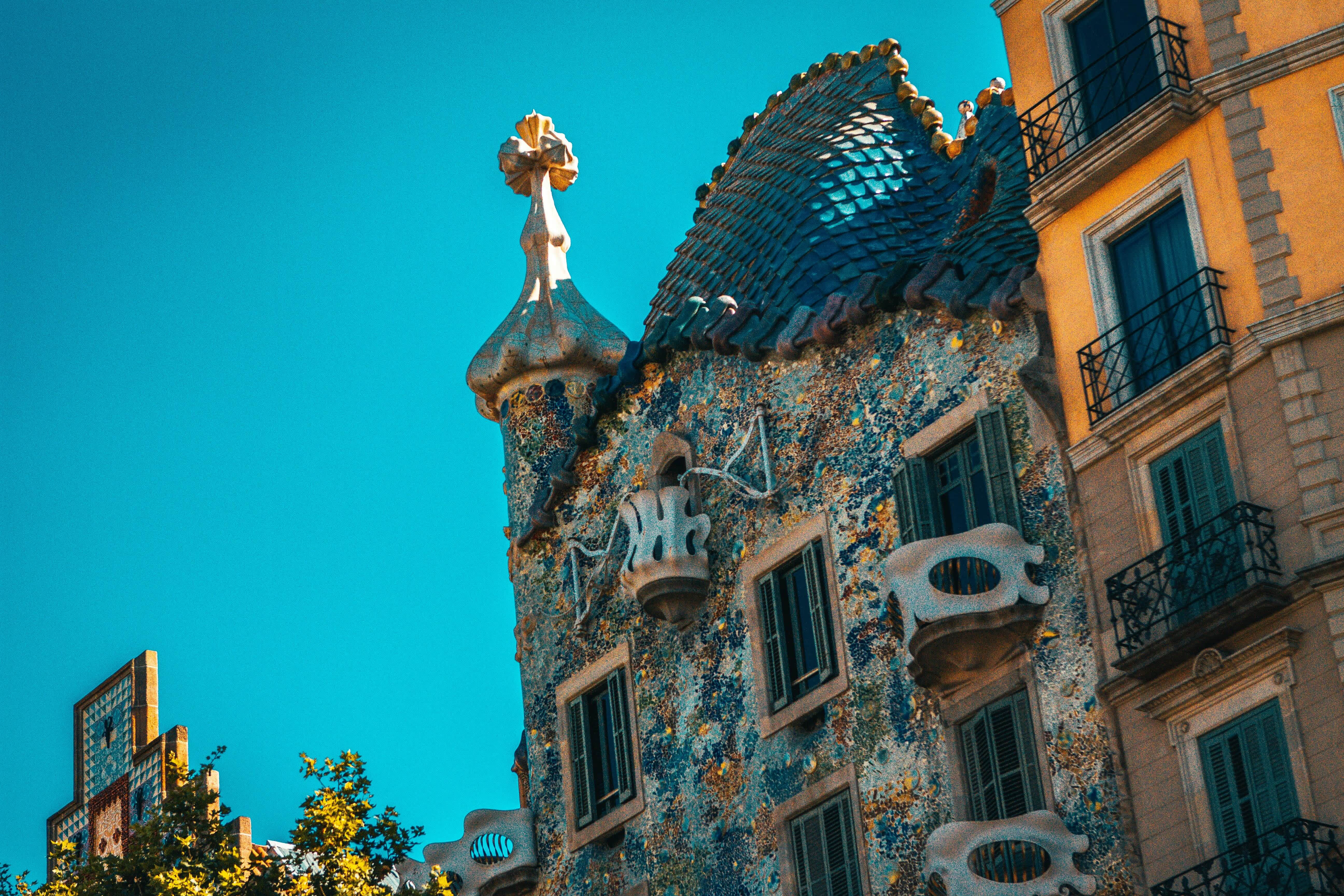
Casa Batlló
The must-sees of L'Eixample
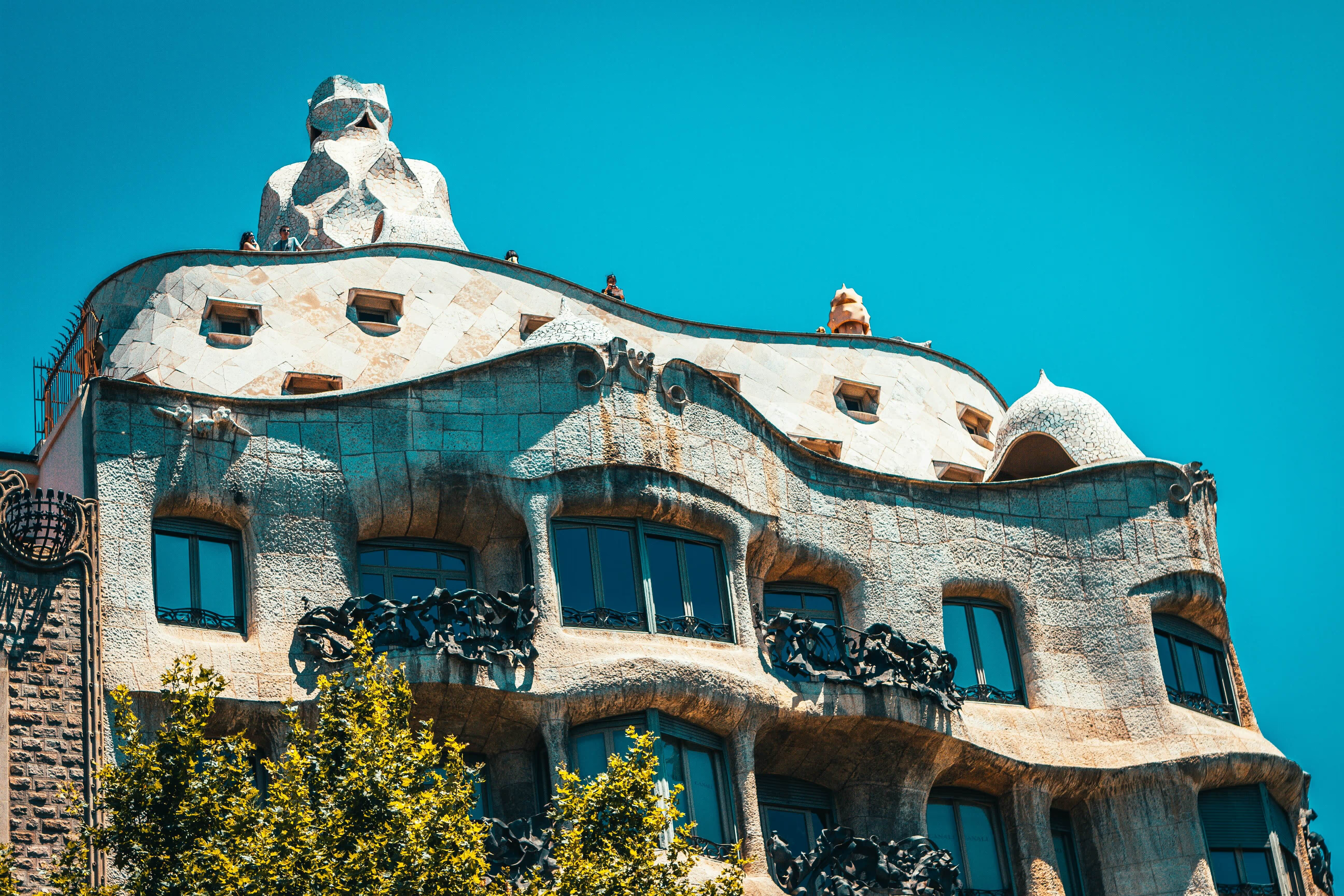

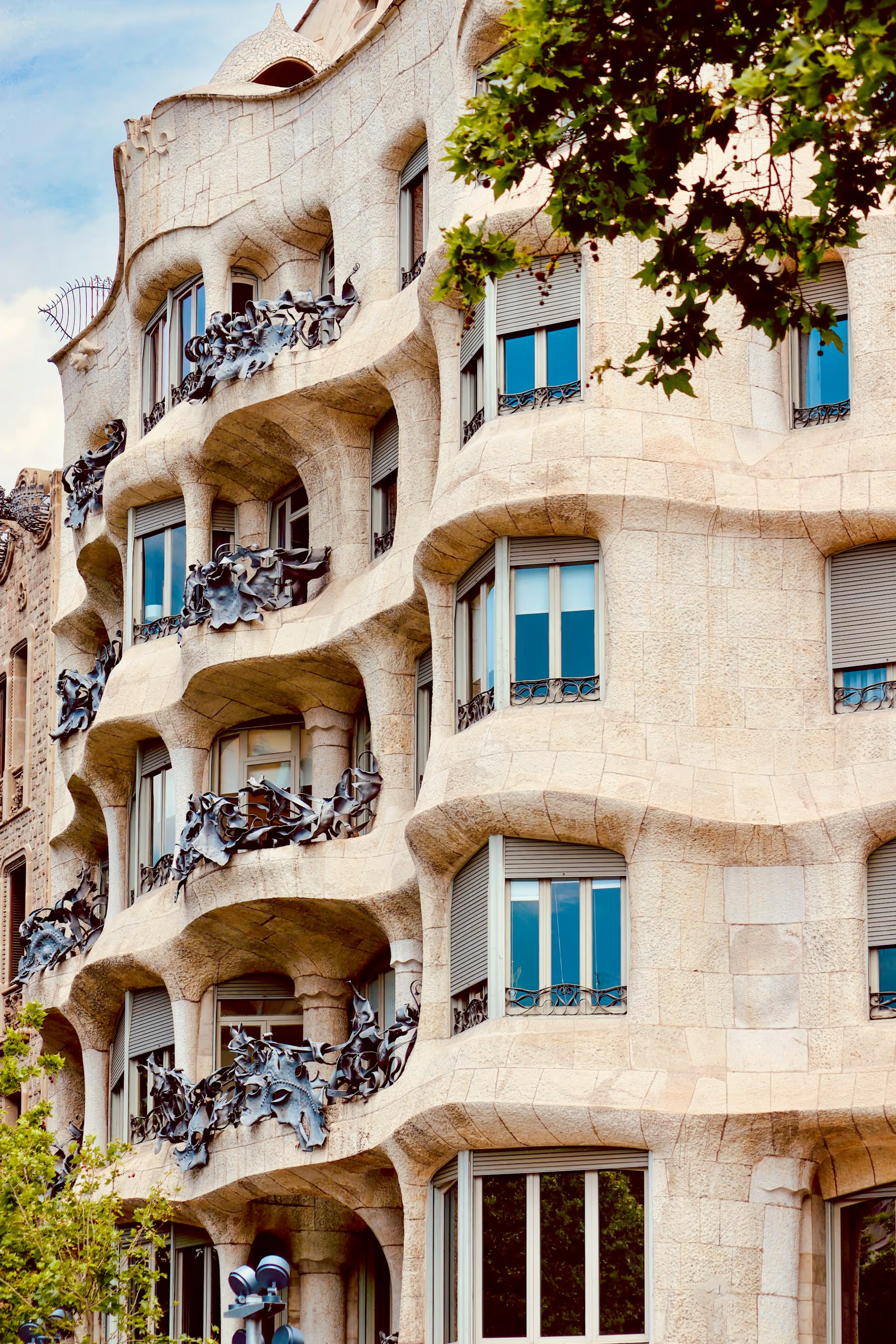
La Pedrera — Casa Milà
Passeig de Gràcia, 92 · Metro Diagonal (L3/L5)
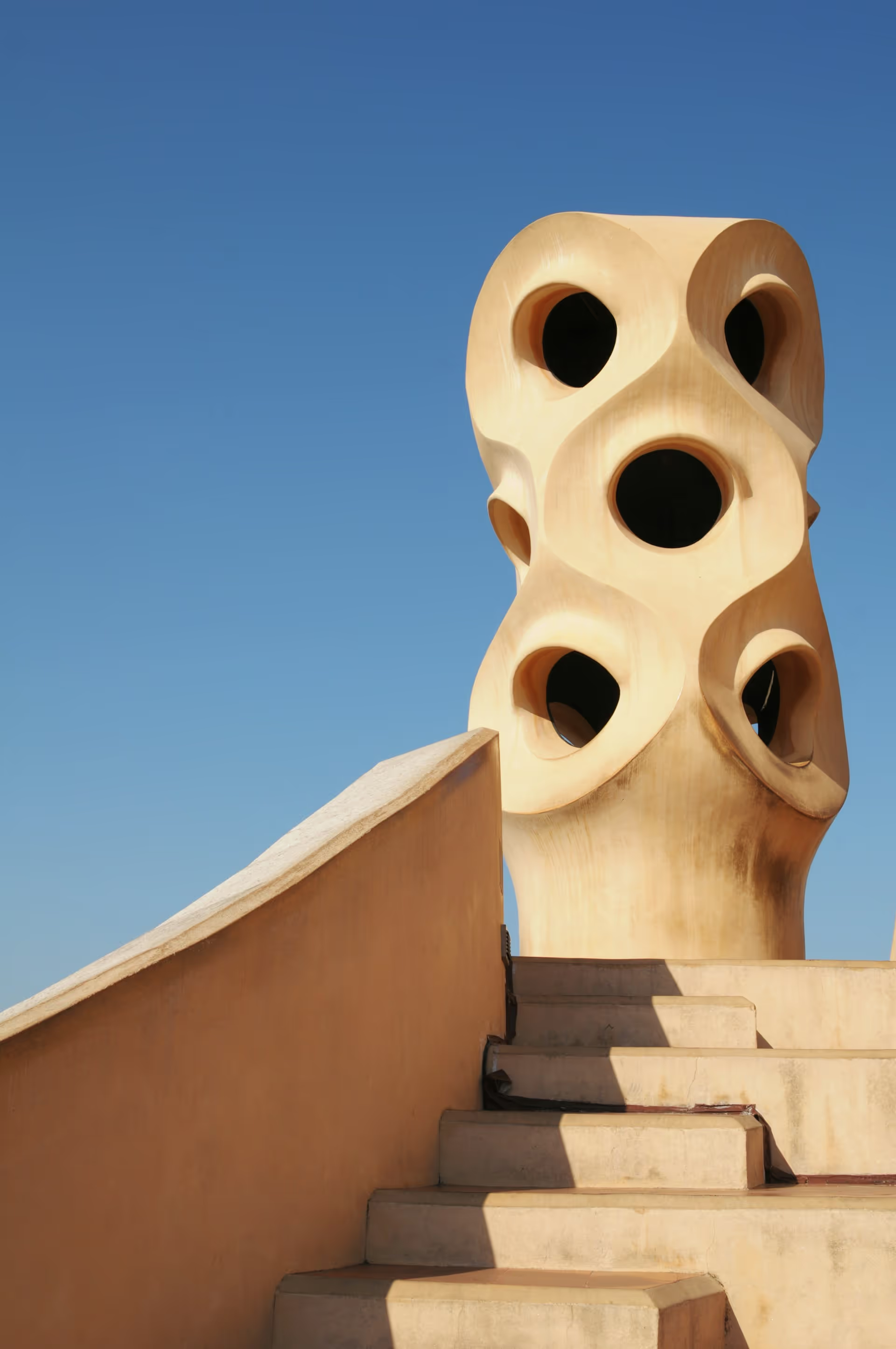
Gaudí's last civic work (1906–1912) is famous for its undulating limestone façade without a single straight line, and its rooftop with iconic twisted chimneys that look like masked warriors. The Modernista apartment interior and permanent Gaudí exhibition make this a must-visit. UNESCO World Heritage Site. Book in advance.
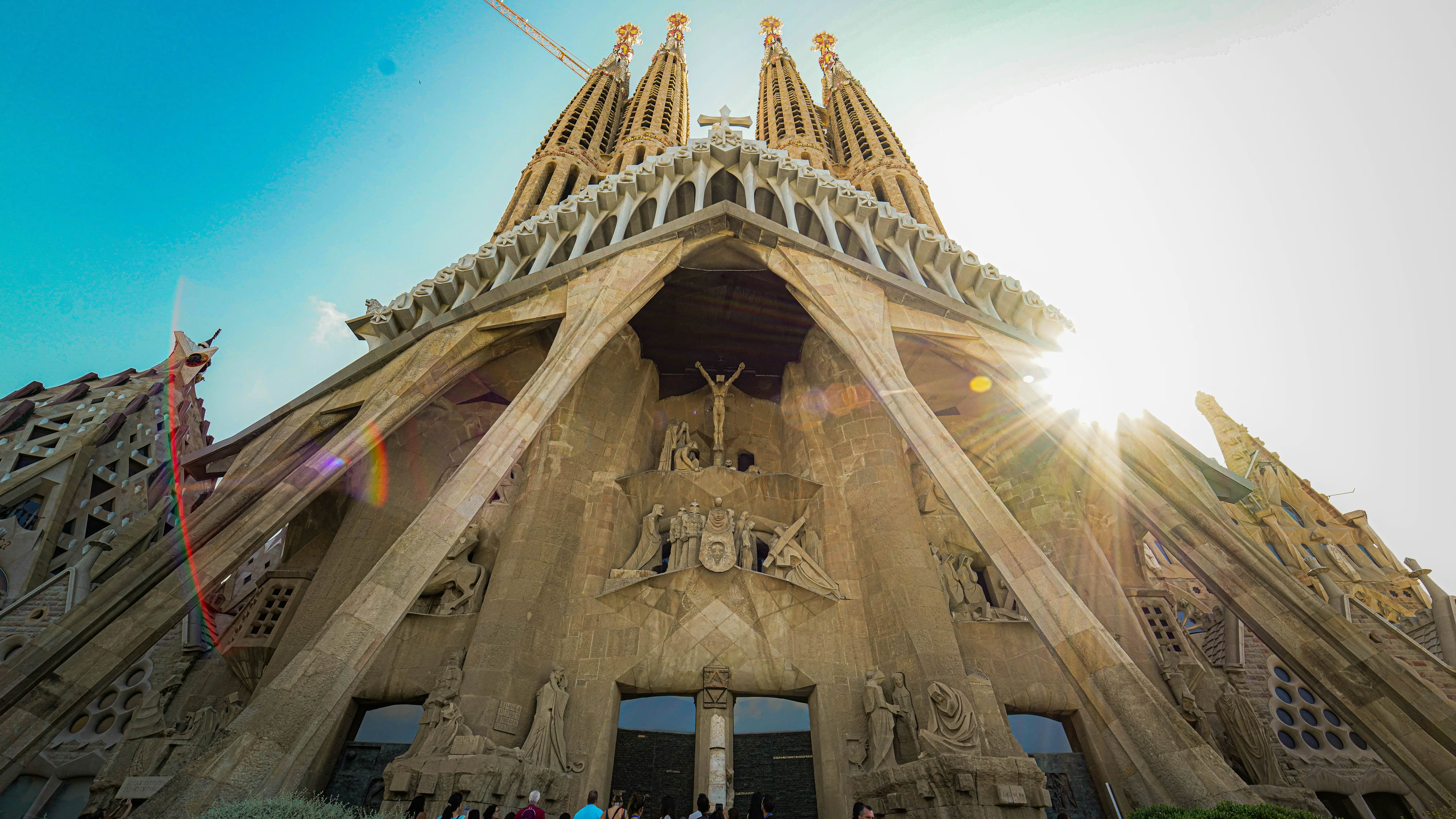
Basílica de la Sagrada Família
Carrer de Mallorca, 401 · Metro Sagrada Família (L2/L5)
Gaudí's most ambitious work has been under construction since 1882. At 172.5 m tall with a capacity of 9,000 people, the basilica blends Gothic architecture with Art Nouveau in a way no other building in art history has achieved. Declared a UNESCO World Heritage Site in 1984, its completion is expected in June 2026 — the centenary of Gaudí's death.
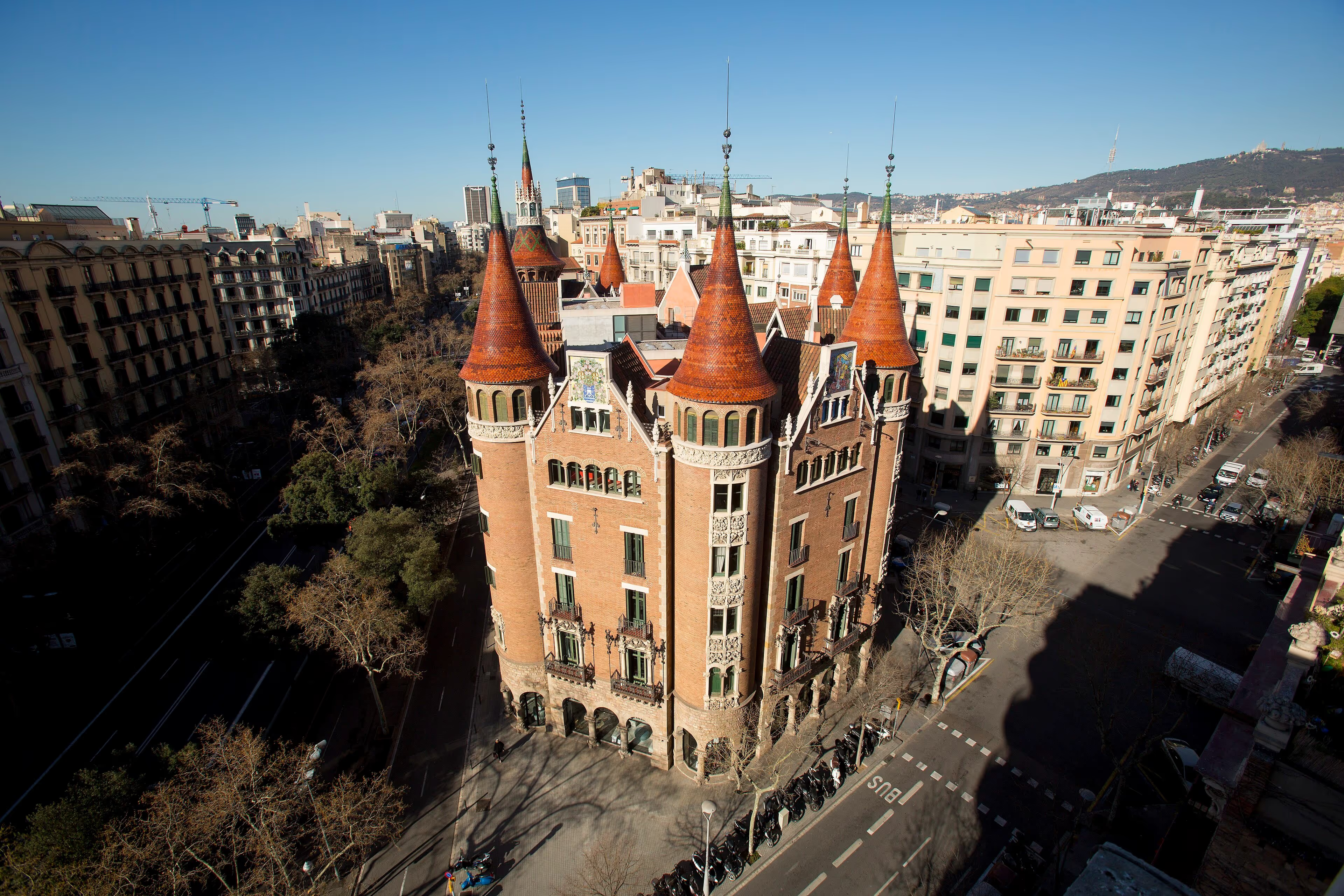
Casa de les Punxes
Passeig de Gràcia, 92 · Metro Diagonal (L3/L5)
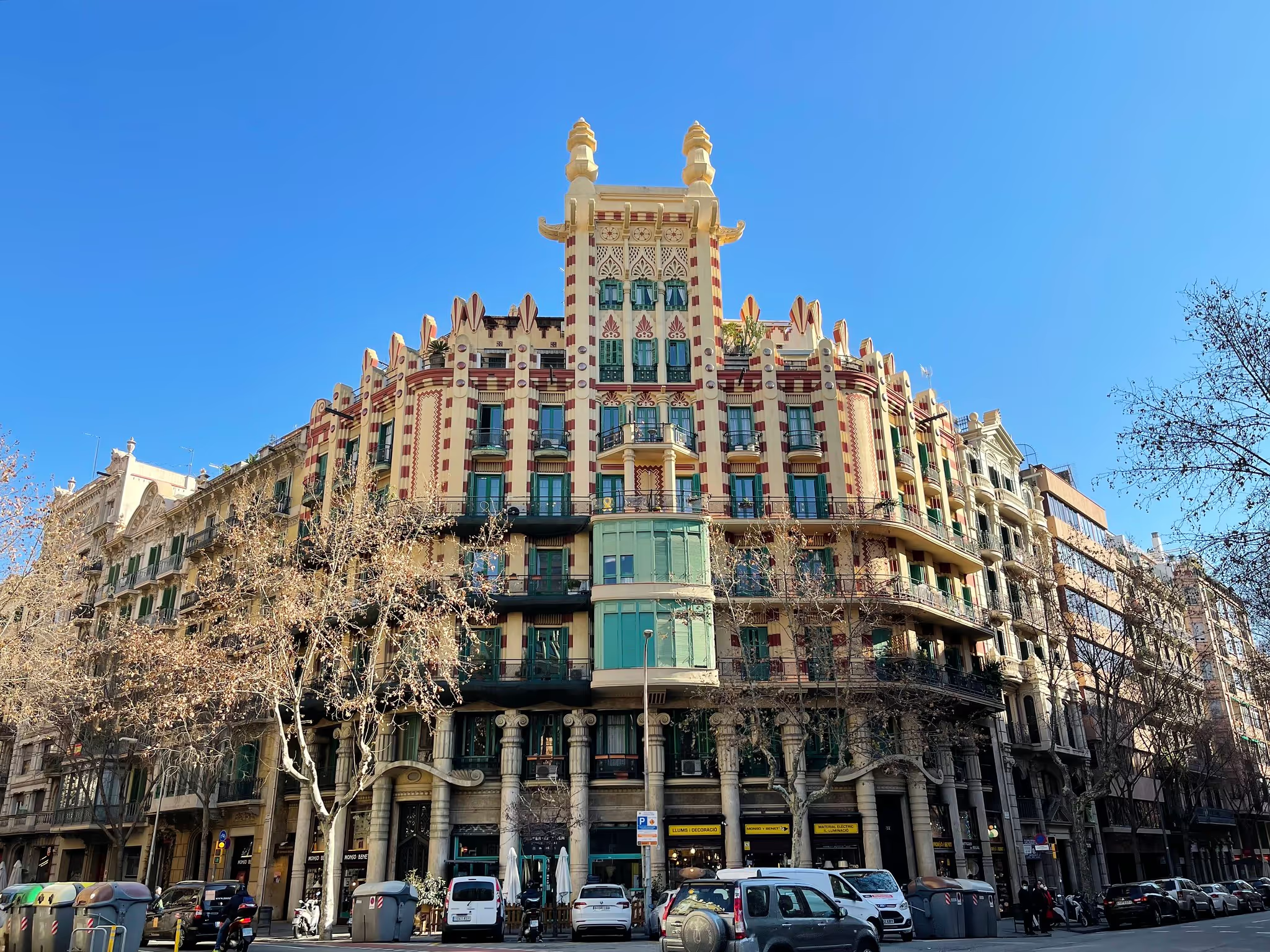
Known as the "House of Spikes" for its six towers topped with Gothic spires, it was built by Josep Puig i Cadafalch between 1903 and 1905. The result is a surprising blend of Flemish Northern Gothic and Catalan medieval motifs, unlike anything else in the world. Open to visitors, with an exhibition on Catalan Modernisme inside.
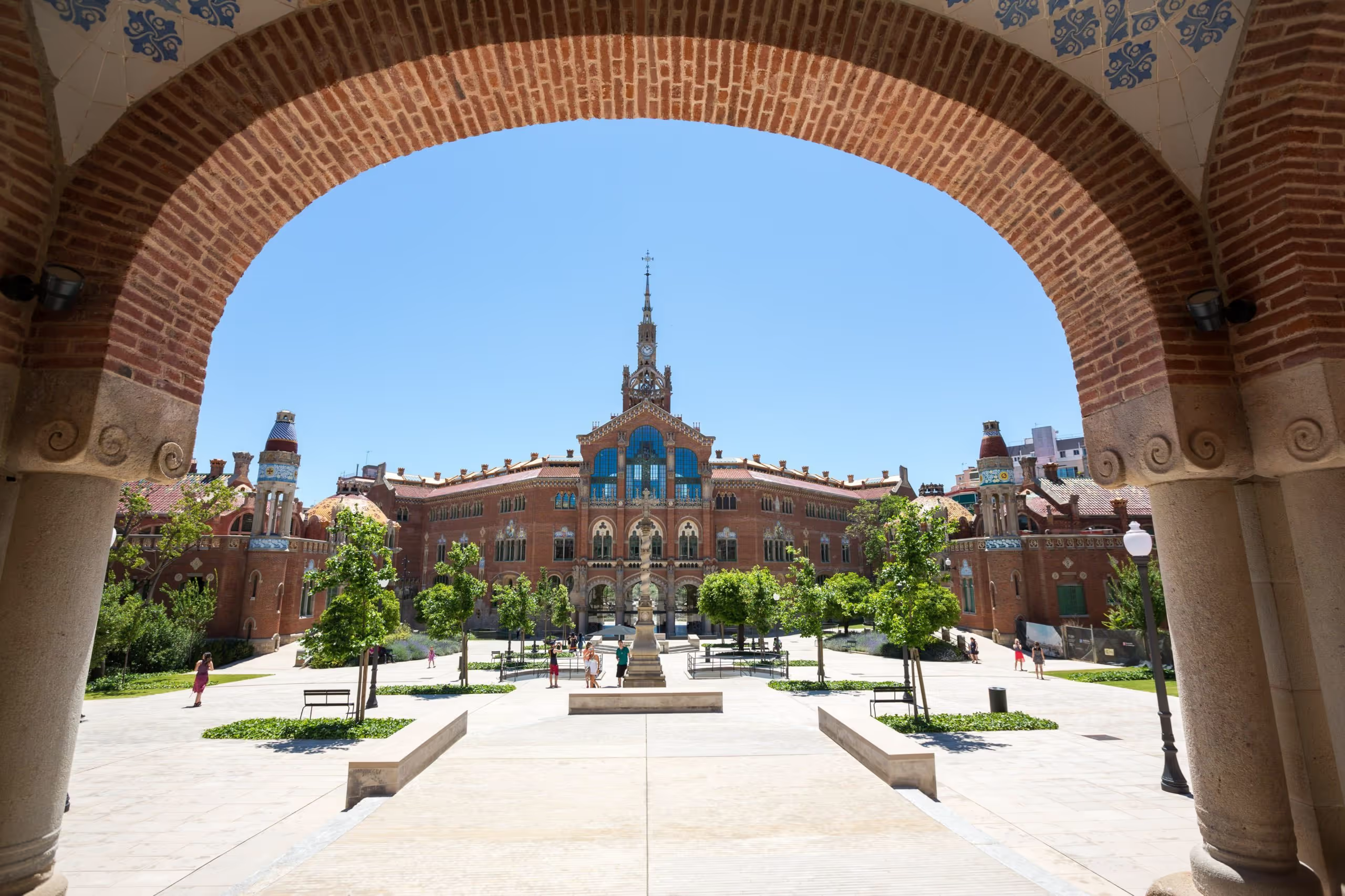
Recinte Modernista de Sant Pau
Carrer de Sant Antoni Maria Claret, 167 · Metro Sant Pau/Dos de Maig (L5)
The former Hospital de la Santa Creu i Sant Pau, designed by Lluís Domènech i Montaner, is one of the most spectacular Modernista complexes in the world — and also a UNESCO World Heritage Site. Twelve red-brick pavilions decorated with tiles and sculpture, connected by underground galleries. Less crowded than the Sagrada Família, with equally impressive architecture.
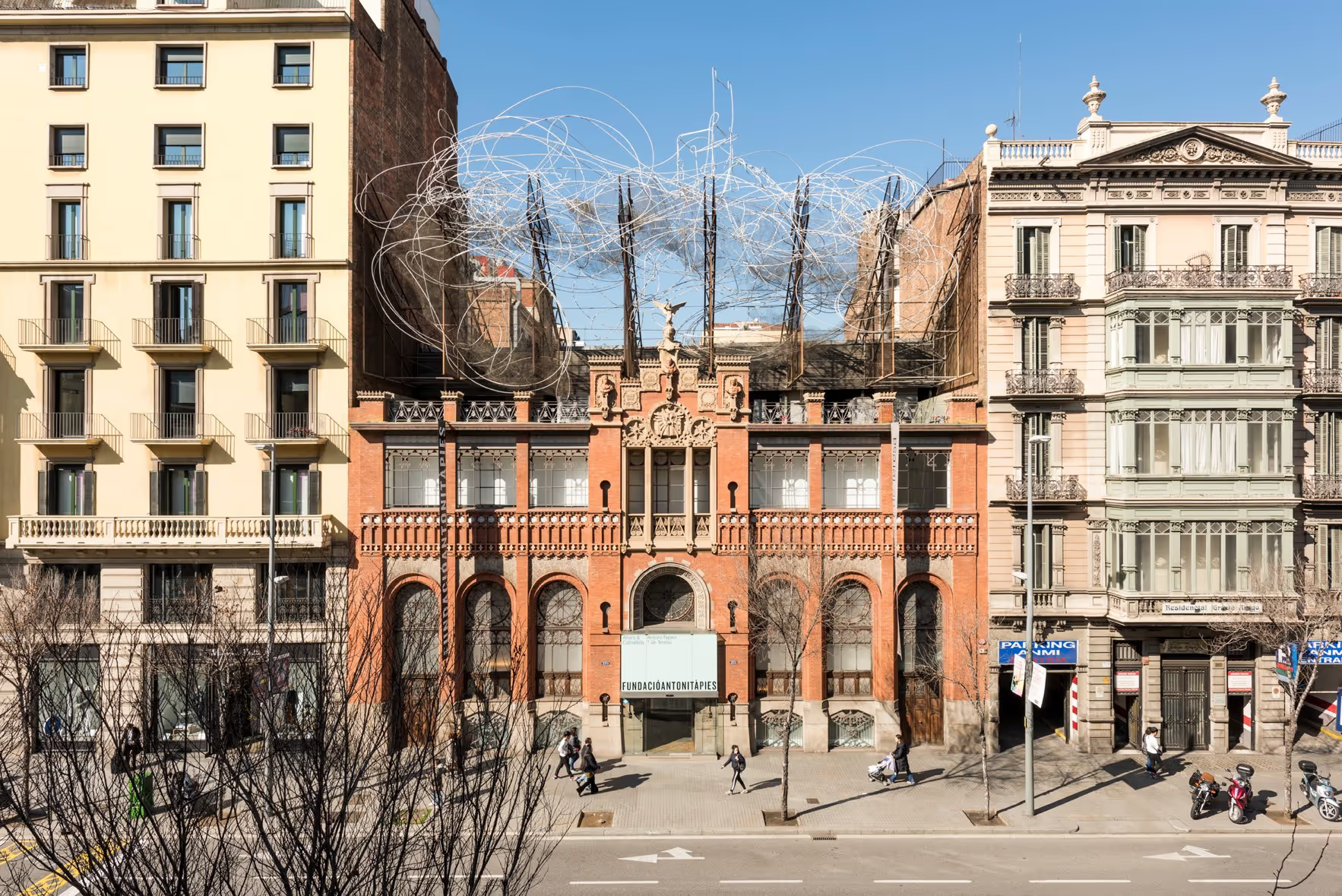
Fundació Antoni Tàpies
Carrer d'Aragó, 255 · Metro Passeig de Gràcia (L2/L3)
The foundation dedicated to Catalan artist Antoni Tàpies occupies the former Montaner i Simon Publishing House (1880), one of Barcelona's first Modernista buildings. On the rooftop, the sculpture Núvol i Cadira — a wire cloud with a chair on top — presides over the façade. Inside: a permanent collection of the artist's work and rotating contemporary art exhibitions.
Casa Calvet
Carrer de Casp, 48 · Metro Urquinaona (L1/L4)
The Modernista building closest to Casa Lolita was Gaudí's first work in L'Eixample (1898–1900). More restrained than his later projects, it won the City of Barcelona's annual award for best building in 1900. Today it houses a restaurant on the ground floor where you can dine surrounded by Gaudí's original woodwork.
Spaces
Passeig de Gràcia: the boulevard that has it all
In 1859, engineer Ildefons Cerdà drew up what would become one of the most influential urban plans in history. L'Eixample was born as an extension of medieval Barcelona into the plain: a perfect grid of octagonal blocks, with chamfered corners for visibility, natural light, and smooth traffic flow.
What Cerdà couldn't have imagined is that this rationalist fabric would become the backdrop for Catalan Modernisme — Gaudí, Domènech i Montaner, and Puig i Cadafalch turned every block into an open-air museum. Today, L'Eixample is at once a residential neighborhood, the home of luxury retail, and Barcelona's most culturally rich destination.
Casa Lolita sits in the most refined part of the district, bordering Passeig de Gràcia and the finest works of Modernisme.
L'Eixample's table: tapas, vermouth, and market-fresh cooking
Tapas 24
Carrer de la Diputació, 269 · ~800 m
Carlos Abellán's casual restaurant — one of L'Eixample's most celebrated chefs — where fine cooking is served at the bar. His bikini (ham and truffle sandwich) and patatas bravas with allioli have become Barcelona classics. Arrive early or book ahead.
Dry Martini
Carrer d'Aribau, 162 · ~1,2 km
Barcelona's most iconic cocktail bar, open since 1978 under Javier de las Muelas. A menu of over 70 martinis and an atmosphere that blends 1950s jazz with the discretion of a private club. The house Dry Martini is the best you'll find in Spain.
El Nacional
Passeig de Gràcia, 24 bis · ~700 m
A 2,000 m² space in a converted garage housing four restaurants and four bars under one roof. Ceviche bar, seafood counter, grill, cocktail bar. Open from midday to late night — the best group outing in L'Eixample.
Bar Calders
Carrer del Parlament, 25 · ~1,4 km (Sant Antoni)
The go-to vermouth spot in the Sant Antoni neighborhood, right on the edge of L'Eixample. Craft pintxos, draft vermouth, sidewalk terraces, and a crowd of locals, creatives, and travelers. A must on Sunday at lunchtime.
Tragaluz
Passatge de la Concepció, 5 · ~800 m
Since 1990, one of L'Eixample's most elegant restaurants — a skylight roof floods the dining room with natural light. Seasonal Mediterranean cooking with a menu that changes throughout the year. Great for a special occasion.
Brunch & Cake
Carrer de la Diputació, 269 · ~800 m
The best brunch in L'Eixample, on the pedestrian Carrer d'Enric Granados — a tree-lined boulevard with terraces that locals call the "little Passeig de Gràcia." Pancakes, avocado toast, granola, and specialty coffee. The perfect spot to start the day before exploring the neighborhood.
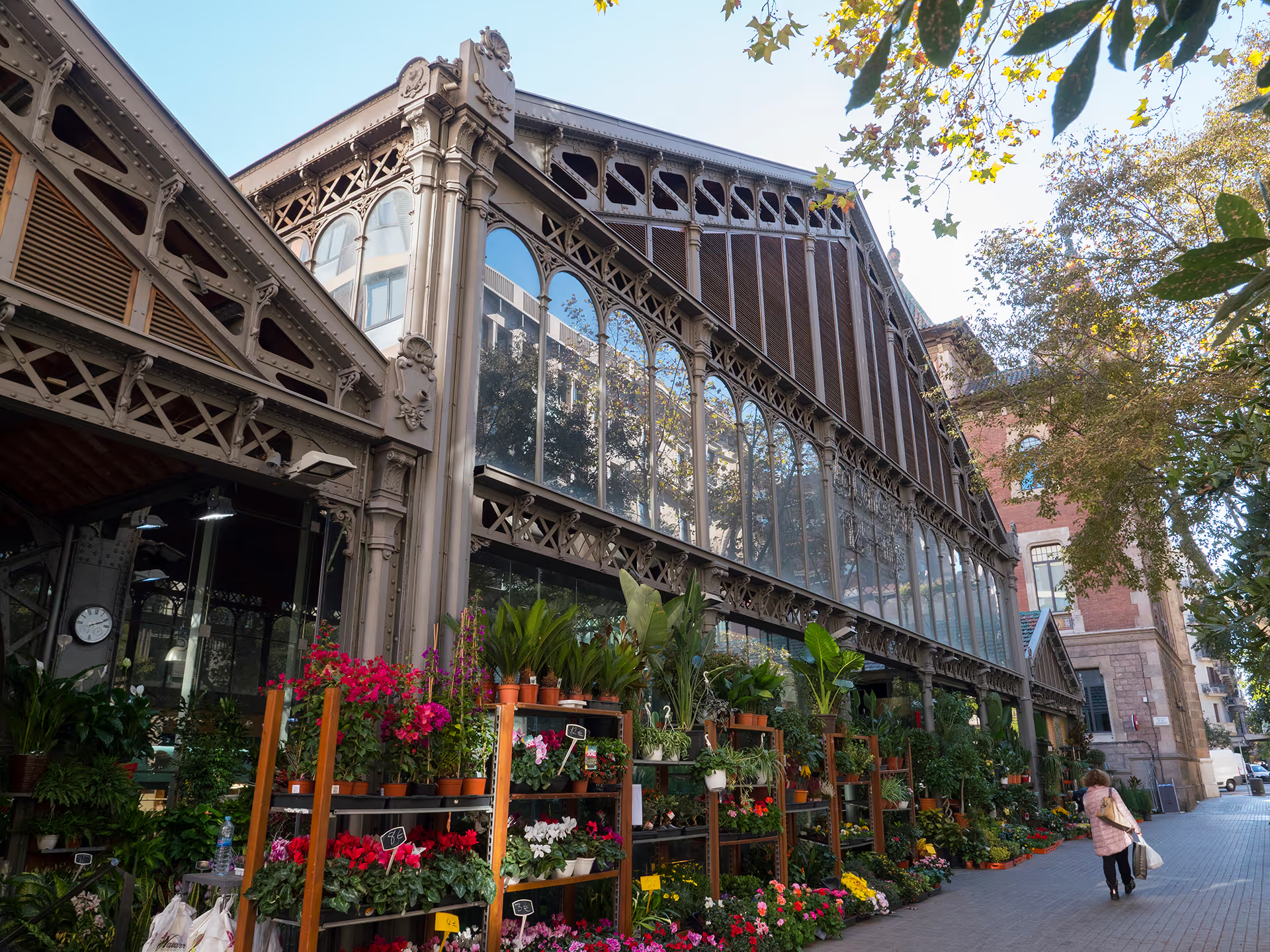
Mercat de la Concepció
Four blocks from Casa Lolita, the Mercat de la Concepció is L'Eixample's neighborhood market. Known locally as "la Conce," it has been at its location on Carrer d'Aragó since 1888.
It's especially known for flowers: from 6 am until evening, dozens of flower and plant stalls surround the building. It also has an excellent selection of fresh fruit, vegetables, fish, and meat — plus a few prepared food stalls where you can eat on the spot.
L'Eixample, perfectly connected
Metro, bus, bike, and scooter less than two minutes away. From L'Eixample, you can reach any point in Barcelona with ease.
We're right here
📍 Carrer del Bruc, 65. Principal 2. 08010 Barcelona
Stay with us
We're in the heart of the neighborhood
Everything you just read is less than 20 minutes on foot from Casa Lolita. Rooms with private bathroom, Smart TV, free WiFi, and a rooftop terrace in L'Eixample, 150 m from the metro.